Electrical system grounding connects your home’s components through a conductor to the Earth. This serves as an alternative pathway for excess electricity that might otherwise shock you, your home’s appliances, or any electronics in the event of an electrical fault. Electricity naturally prefers to find a path to ground, and the grounding system reduces the odds that the extra electricity will go somewhere unplanned.
Homeowners should understand how electrical grounding works and why it’s critical to safety. Here are some of the key points.
Quick Takeaways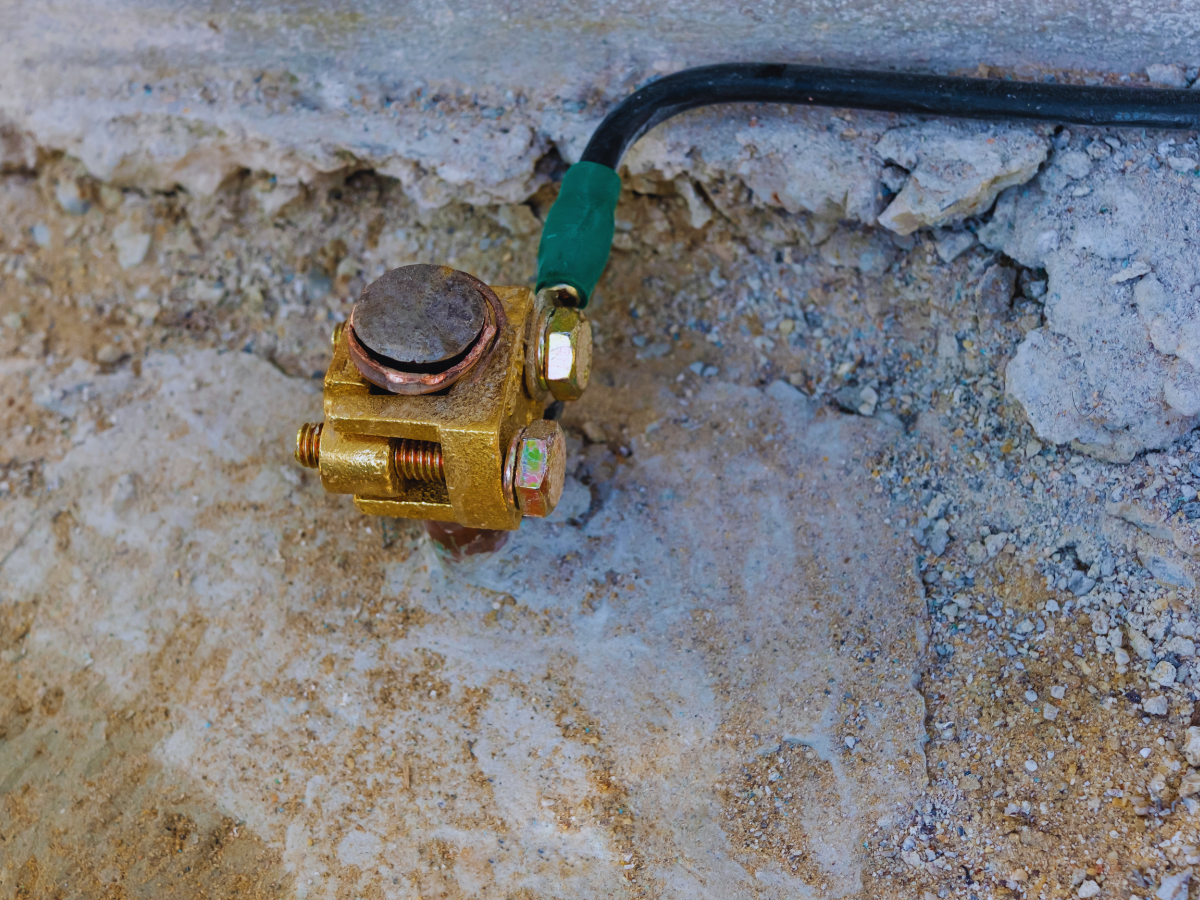
- Electrical grounding is a safe path for excess electricity.
- Grounding wires reduce shock risk.
- Grounding supports circuit breaker operation.
- A ground system protects appliances and electronics.
- Older homes may lack grounding or have a degraded grounding system.
- Periodic professional electrical inspections catch grounding problems.
How Does Electrical Grounding Work?
A copper conductor connects your home’s electrical system to the Earth. Fault currents flow to a buried grounding rod or plate, dissipating safely into the soil, preferably moist soil for maximum conductivity. This protects people and property that might otherwise be shocked.
What Is Electrical Grounding?
Copper rods, grounding plates, or similar systems connect the electrical system to the soil as an electrical path. Your home’s grounding system should also bond large metal appliances, especially the HVAC and the water heater. Likewise, it should bond any metal pipes or structural metal.
Electricity strongly favors the path of least resistance as it tries to get to the Earth. This is why lightning strikes hit towers and trees. The electricity will go through the nearest thing that offers a path to ground. If that nearest thing happens to be a person, the results may be fatal. In addition to reducing shock risk, this also minimizes the risk of fire.
How Ground Wires Protect People
The copper in the grounding wires has close to zero electrical resistance. Notably, this is always lower than your body’s electrical resistance.
Consequently, a shock is far more likely to travel to the ground than through you. However, there has to be a grounding wire to carry it to a connected conductor.
How Grounding Protects Appliances and Electronics
Grounding prevents voltage spikes that damage appliance motors. Note that very small spikes in sensitive electronics can shorten their life spans, too.
Similarly, grounding eliminates noise in the electrical system, reducing communication interference between devices. A ground system also protects home areas that get wet, especially the bathroom, kitchen, laundry room, and patio.
Components of a Residential Grounding System
Bare-metal copper wiring inside a cable connects all the devices and metal boxes in your home to the grounding rod. Driving the rod deep into the soil maximizes contact with moist dirt, which improves conductivity.
An electrode at the electrical panel’s bus bar encourages excess current down the ground path. This location also serves to bond any equipment in your home.
Why Electrical Grounding Is Important
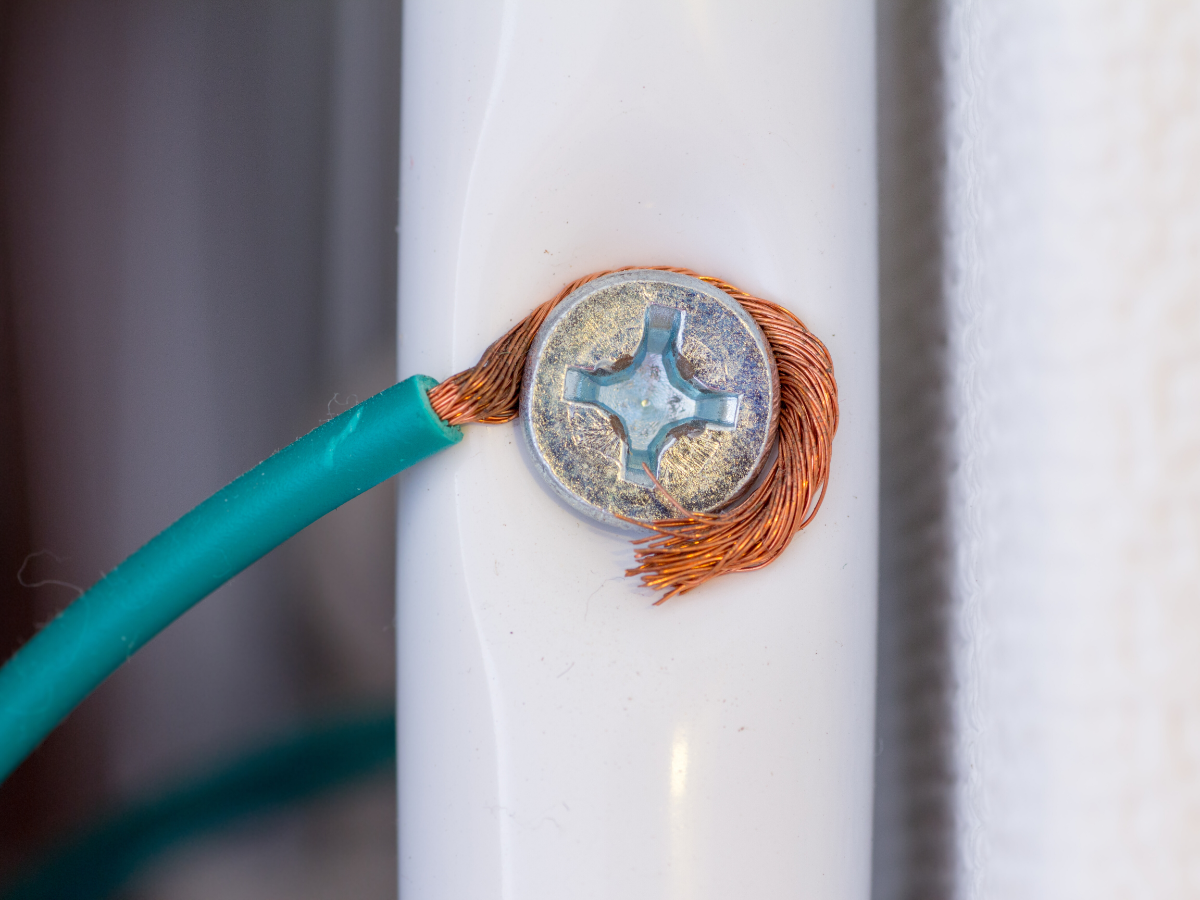 The National Electrical Code requires grounding in most residential locations now to prevent fire, shocks, and equipment damage. Connecting potentially faulty systems to grounded breakers improves the odds that they will trip when there is a problem.
For example, nearby lightning strikes or transient surges within the local power system can hit your home for milliseconds. This doesn’t sound like much, but it’s enough time for a high voltage to fry many items.
Signs Your Home May Have Grounding Problems
Modern grounding systems typically rely on a three- or four-prong outlet. If you see a two-prong design, then your house probably needs new grounding.
Frequent circuit breaker trios also indicate a need for a ground. You might feel a tingling sensation when you touch an appliance, too. Likewise, flickering lights often indicate grounding problems. Older electrical systems may exhibit signs of rust.
Electrical Grounding vs GFCI Protection
People often conflate ground fault circuit interrupters (GFCIs) with grounding. These are two different systems.
A GFCI detects when the electricity in a circuit has wandered off its expected path, such as when a hair dryer falls into a wet sink. A GFCI cuts power without the need for a ground path. Modern homes require both.
FAQs
Does electrical grounding prevent electric shocks?
Electrical grounding uses a copper path to safely send excess electricity into the soil. If the system surges due to lightning, a faulty appliance, or a local electrical system problem, then the ground encourages the excess to go to the soil.
What happens if a house is not properly grounded?
You may notice shocks, flickering lights, or even fires. Electronics and appliances often die earlier than expected, too.
Can an older home be upgraded with proper grounding?
Yes, we can rewire older houses with new grounding equipment.
How do electricians test electrical grounding?
The right kind of multimeter allows an electrician to test whether there’s a ground path attached to each outlet.
Is electrical grounding required by code?
Yes, the modern National Electrical Code, which most localities integrate, requires grounding for the whole house and other facilities. There should also be GFCIs in wet and outdoor areas.
Don’t Put Up With Any Malarky! Call Mister Sparky for Electrical Grounding Services
 Periodic grounding system inspections promote safety. Even if your house has a grounding system, it can corrode and fail. The electricians from Mister Spark are happy to test grounding systems and perform any necessary installations, upgrades, and replacements.
Mister Sparky serves Miami, FL, and the surrounding communities. We take pride in being Miami’s on-time electrician.
If you’re worried about your Miami home’s grounding system, contact Mister Sparky right away.