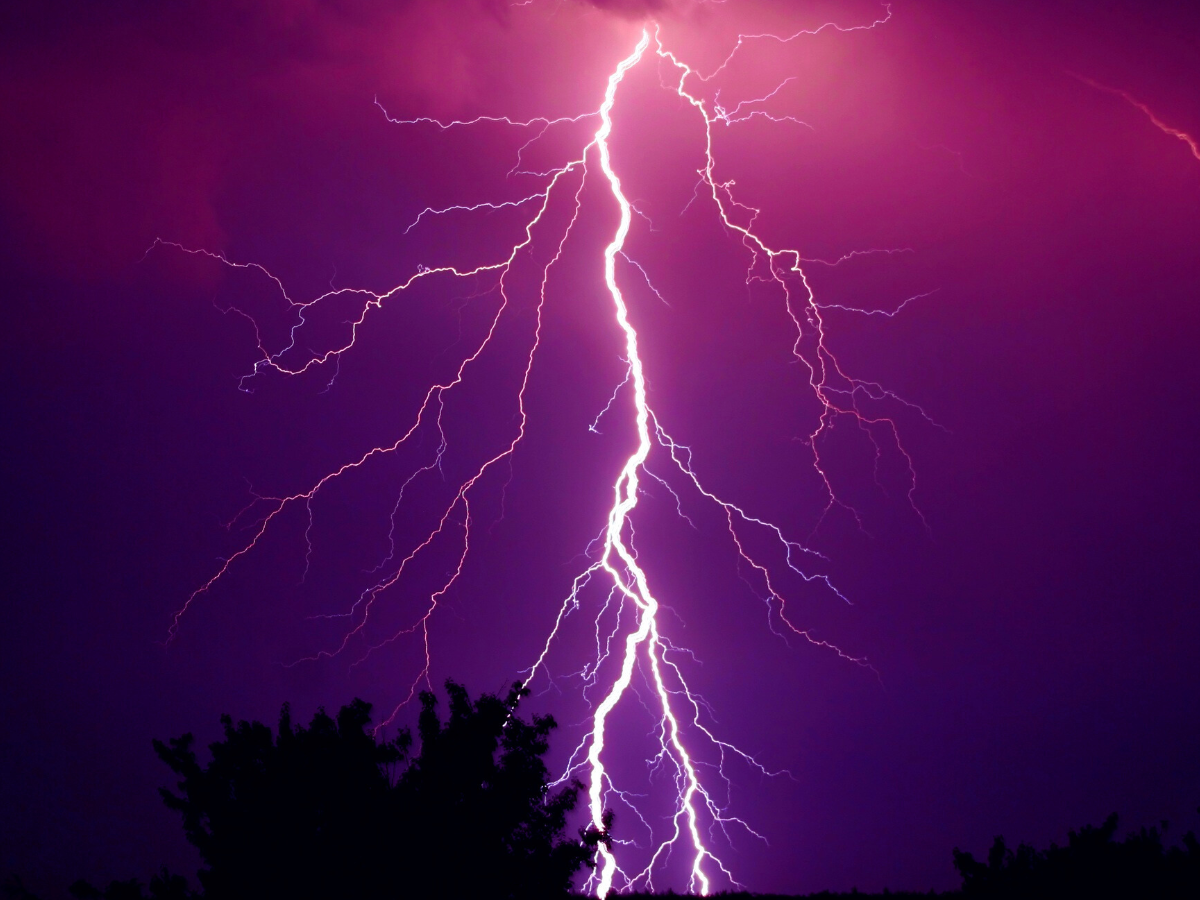
 Florida is one of the top 5 states for lightning strikes. According to the Florida Division of Emergency Management (FDEM), the Sunshine State experiences roughly 1.2 million cloud-to-ground lightning strikes annually. These strikes can pose a significant danger to people and homes.
What Makes Lightning Strikes in Florida Dangerous?
The enormous discharge of electrical energy is what makes lightning strikes in Florida so dangerous. According to the National Oceanic and Atmospheric Administration (NOAA), lightning strikes can increase the air temperature immediately surrounding a lightning bolt by 50,000 degrees Fahrenheit or more. They can also deliver 100 million to 1 billion volts and up to 50,000 amps of current.
All of these lightning byproducts can cause injury or death. Some of the injuries and deaths commonly linked to lightning strikes include cardiac arrest, respiratory paralysis, and severe burns. The enormous discharge of electrical energy from lightning can also damage or destroy a home’s electrical system.
What Causes Lightning Strikes?
Heat, humidity, rapidly rising air, and sea breezes on the Gulf and Atlantic coasts are the primary contributors to lightning strikes in Florida. These atmospheric conditions create rapid updrafts that build, freeze, and charge water particles in cumulonimbus clouds.
For reference, cumulonimbus clouds are the vertical clouds synonymous with heavy precipitation, thunderstorms, and electrical discharges between clouds and the ground.
How Do Lightning Strikes Damage Electrical Equipment in a Home?
Lightning strikes force excessive voltage through the electrical wiring in a home. And that higher-than-usual voltage can melt insulation and leave electrical wiring exposed, increasing the risk of short circuits and arcing.
These electrical events can damage electronics plugged into outlets, HVAC system components, and even the entire electrical panel in a home. They can also increase the risk of a fire.
Common Telltale Signs of Lightning Damage
Signs of lightning damage are not always obvious. For example, the melted insulation and exposed electrical wires caused by excessive voltage can start behind walls.
As a result, a homeowner might not realize they have a problem on their hands until things really start to spiral out of control. The following are some of the most common telltale signs of lightning damage in a home:
- Buzzing, cracking, or humming sounds coming from an electrical panel
- Circuit breakers that trip frequently or become stuck in place
- Electronics randomly shutting off and restarting
- Flickering lights
- Melted plugs or power strips
- Metallic or burning plastic odors
- Vertical lines or discoloration on electronics, such as gaming consoles and televisions, that use displays.
- Warm or discolored outlets
A Closer Look at How Lightning Strikes Can Damage Specific Items in a Home
It is beyond clear that extremely high voltage from a lightning strike can damage the electrical system in a home and pretty much anything connected to that system. However, that damage can occur in different ways depending on the item:
- Appliances and electronics – Lightning strikes can trigger an overvoltage that raises the temperature of internal circuits, semiconductor junctions, and microprocessors in appliances and electronics.
- HVAC systems – An overvoltage from a lightning strike can destroy the HVAC system in a home by melting critical components and frying control boards. These events can damage the unit’s blower, compressor, and condenser motors. The same applies to the connected thermostat and refrigerant system.
What Is the Difference Between a Lightning Strike and a Power Surge?
 To understand the difference between a lightning strike and a power surge, we need to broaden our knowledge of lightning.
Essentially, lightning is a powerful electrostatic discharge between electrically charged regions within a single cloud, between clouds, or between one or more clouds and the ground. An actual lightning strike occurs when that discharge makes contact with the ground or a grounded object.
A power surge, meanwhile, is a lower-intensity voltage spike, usually caused by overloaded circuits, damaged wiring, or the restoration of power after a power outage or blackout. Both lightning strikes and power surges can damage a home’s electrical system and anything connected to it.
Can a Lightning Strike Damage Electrical Equipment Without a Direct Hit?
Lightning doesn’t have to directly hit a home to damage electrical equipment or cause a house fire. An indirect lightning strike can cause just as much damage to a home and its electrical system. For reference, indirect lightning strikes are lightning strikes that make contact with nearby trees or the ground instead of a home.
These strikes can send enormous amounts of electrical current to nearby homes via ground currents, conduction through wiring, or electromagnetic induction, all of which can damage electrical equipment and increase the risk of a house fire.
How To Protect Electrical Equipment From Lightning
There are several things homeowners can do to protect their homes against lightning strikes, both direct and indirect. The following are just a few of them:
- Installing a whole-house surge protection system that can absorb large power surges that can enter a home from outside
- Having a home’s grounding system inspected by a licensed electrician to ensure it’s working properly
- Installing a lightning protection system consisting of air terminals, main conductors, grounds, surge arresters, and suppressors, all of which can help intercept lightning strikes and redirect them safely into the ground
- Plugging electronics and appliances into point-of-use surge protection devices whenever possible
Why It Pays To Schedule a Lightning Strike Evaluation Following a Lightning Strike
 Damage from lightning strikes is not always visible. That explains why most electricians recommend a lightning strike evaluation for any home struck by lightning.
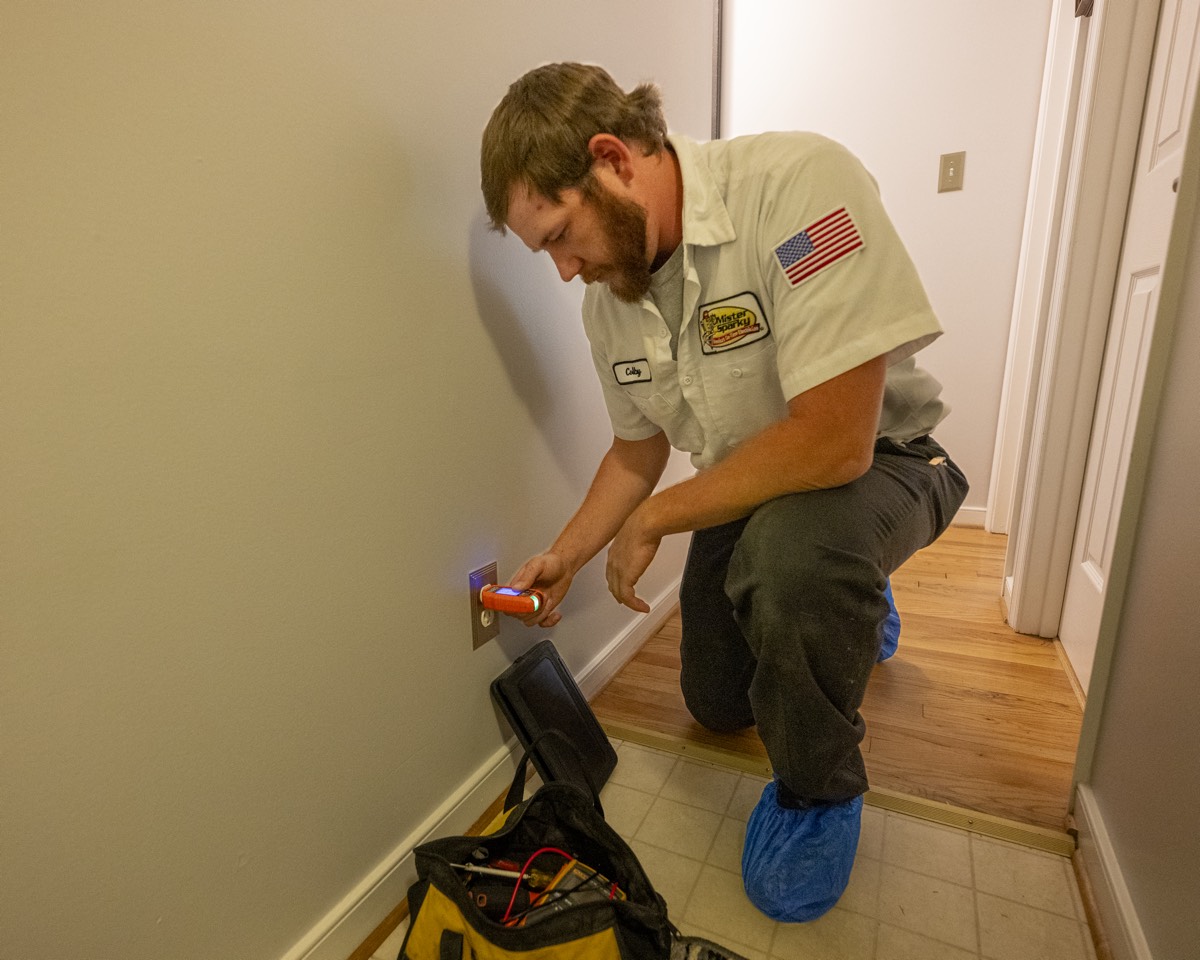
These evaluations involve a licensed electrician using impulse generators, voltage dividers, recorders, and other equipment to locate hot spots, fried wiring, or damaged surge protectors before they can damage electrical systems, appliances, or cause a house fire.
Hire a Licensed Miami Electrician Today
Lightning strikes can cause significant damage to a home’s electrical system, appliances, electronics, and more.
To learn more about protecting your home from lightning strikes, identifying signs of lightning damage, or to schedule a service call, consider speaking with a Miami Mister Sparky associate today.