A generator can run anywhere from a few hours to a few weeks or longer. The specific timeframe depends on several factors, including the fuel source as well as the use of a whole-house or portable generator.
Quick Takeaways
- Portable generators usually run 6–16 hours per tank
- Whole-house standby generators can run days or weeks
- Natural gas generators can run as long as fuel supply is available
- Runtime depends on fuel type, load, and maintenance
- Standby generators are designed for long, continuous operation
How Long Can a Portable Generator Run?
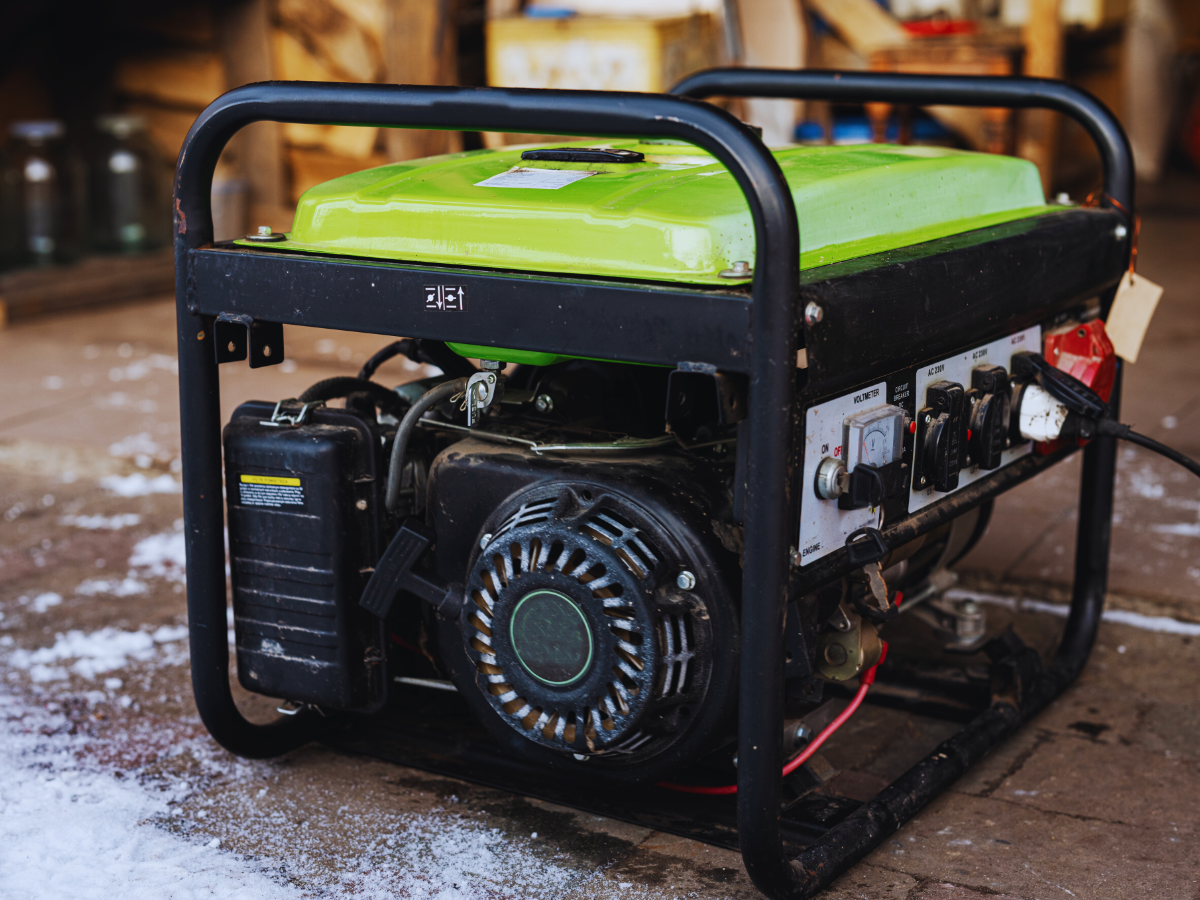 Generators require a steady source of fuel, so the size of the tank plays a major role in how long a generator can run. Portable generators draw fuel from a tank, so the fuel source will be depleted at some point. The efficiency of a propane-fueled generator as well as the number of hours per day that the generator is used affect how long the fuel lasts.
Your ability to refill the tank as needed affects its use time. Keep in mind that generators also need oil changes and coolant. These services may be needed every 50 to 100 hours, so this also affects runtime.
Gasoline Portable Generator Runtime
A gasoline-powered generator can be run for between six and 18 hours on a single tank. However, during this time period, the temperature of the generator and the oil level must be monitored.
The need to change the oil or cool the unit impact runtime. Gasoline can degrade the generator’s carburetor, so a fuel stabilizer should be added to the gasoline.
Propane Portable Generator Runtime
The standard tank size used in portable propane generators is 20 pounds. With this size of tank, you can expect between six and 20 hours of use.
However, larger tanks up to 1,000 gallons are available. These tanks can supply power for up to a few weeks.
Propane is considered to be the preferred fuel source for a portable generator. This is because the storage life is infinite, the fuel doesn’t degrade the carburetor, and the fuel source is more efficient than gasoline.
How Long Can a Whole-House Generator Run?
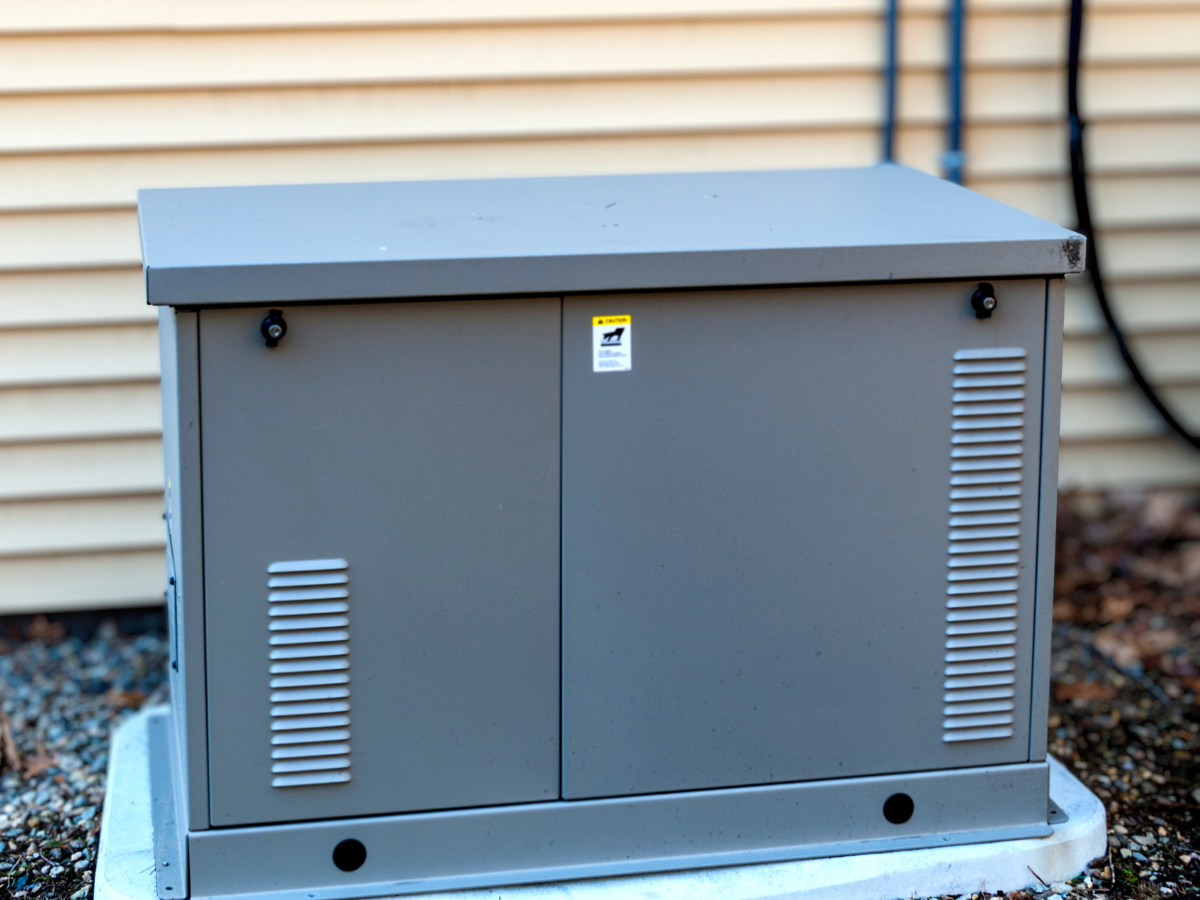 Obtaining fuel when the power is out for weeks on end is challenging. A whole-house generator typically uses natural gas from a fixed line, which provides an infinite source of fuel as long as the line functions.
These units offer sophisticated load management functionality. They adjust power supply to more essential areas and features in the home.
Configurations are made so that the system operates automatically during an extended outage. While a whole-house generator is more expensive, it outperforms portable units with these key features.
Natural Gas Standby Generator Runtime
With a whole-house generator, there’s no need to check the quality and supply of the fuel before an anticipated outage. The steady supply of fuel supports continuous operation. However, maintenance is typically required every 250 to 500 hours. These tasks include oil changes, coolant top-offs, and filter replacements.
Propane Standby Generator Runtime
The runtime of a propane standby generator primarily depends on the tank size. For example, a smaller generator with a 20-pound tank typically provides up to 10 hours of use before additional fuel is needed.
A 1,000-gallon tank can supply the average home with two weeks of use. The load on the generator affects actual runtime.
Diesel Standby Generator Runtime
Diesel fuel is easy to access and is more efficient than propane. In fact, a smaller tank provides one to two days of runtime. Larger tanks are available that can provide weeks of use. However, regular maintenance is needed every two to four weeks.
In addition, diesel should be replaced every six to 12 months. After this time period, it begins to degrade and turns to engine-damaging sludge.
What Factors Affect How Long a Generator Can Run?
 During a power outage, runtime plays a major role in your comfort and well-being. The factors that affect how long a generator can run include:
- Fuel supply
- Electrical load
- Generator size
- Maintenance intervals
- Ambient temperature
Can a Generator Run 24/7 Without Stopping?
In theory, a natural gas generator can run 24/7. However, this is not recommended by most manufacturers. Periodically stopping the generator for cooling, oil changes, and inspections optimizes the life and performance of the generator.
How Long Can a Generator Run During a Power Outage?
You can see that all generators can supply your home with power for at least a few hours during a short outage. However, winter storms, hurricanes, and even grid failures can leave residents without power for weeks on end in some cases.
A standby generator is most advantageous during an extended power outage. Because they are connected to a natural gas line or the home’s large propane tank, fuel supply is less of a concern.
Is It Bad to Run a Generator for Too Long?
While some generators function for weeks on end, it’s still necessary to turn them off periodically. When a generator runs for too long without receiving regular maintenance, unnecessary wear occurs. This decreases lifespan and performance.
Overloading is also a concern. It can result in overheating, damage to vital components, and even a house fire.
Cheaper generators tend to have lower-quality components made with less effective materials. These don’t hold up well to long-term use and are more likely to fail.
Portable vs Standby Generators — Runtime Comparison
Portable generators run for between six and 18 hours. In contrast, standby generators are often attached to a much larger fuel source and can function for weeks or longer.
However, runtime is only one of several factors to consider when making a decision. The availability and cost of the fuel source, the cost of the generator, the load, and maintenance needs should also be considered.
When Does It Make Sense to Install a Standby Generator?
While a portable generator will suffice in some situations, a standby generator is most beneficial in many instances.
Some of these include:
- Frequent outages
- Medical needs
- Work-from-home reliability
- Long outage risk areas
FAQ
How long can a generator run continuously?
Generators with a continuous fuel supply should not be run indefinitely due to cooling and maintenance needs. Many standby generators must be turned off every 250 to 500 hours for maintenance. Temperature should also be monitored, and operation should stop temporarily when a cooldown is needed.
Can a generator run for days at a time?
Yes, many generators can run for days or even weeks at a time. Runtime depends on the fuel source, the load, the tank size, and other factors.
How long can a generator run on natural gas?
A standby generator attached to a natural gas line operates as long as the fuel supply is available. However, it should be turned off every 10 to 20 days for maintenance.
How often does a generator need maintenance during long use?
Most generators should receive maintenance every 10 to 20 days, based on the specific recommendations of the manufacturer.
Will running a generator nonstop damage it?
Yes, a generator should be turned off periodically to prevent overheating and maintenance needs.
Professional Generator Installation Matters
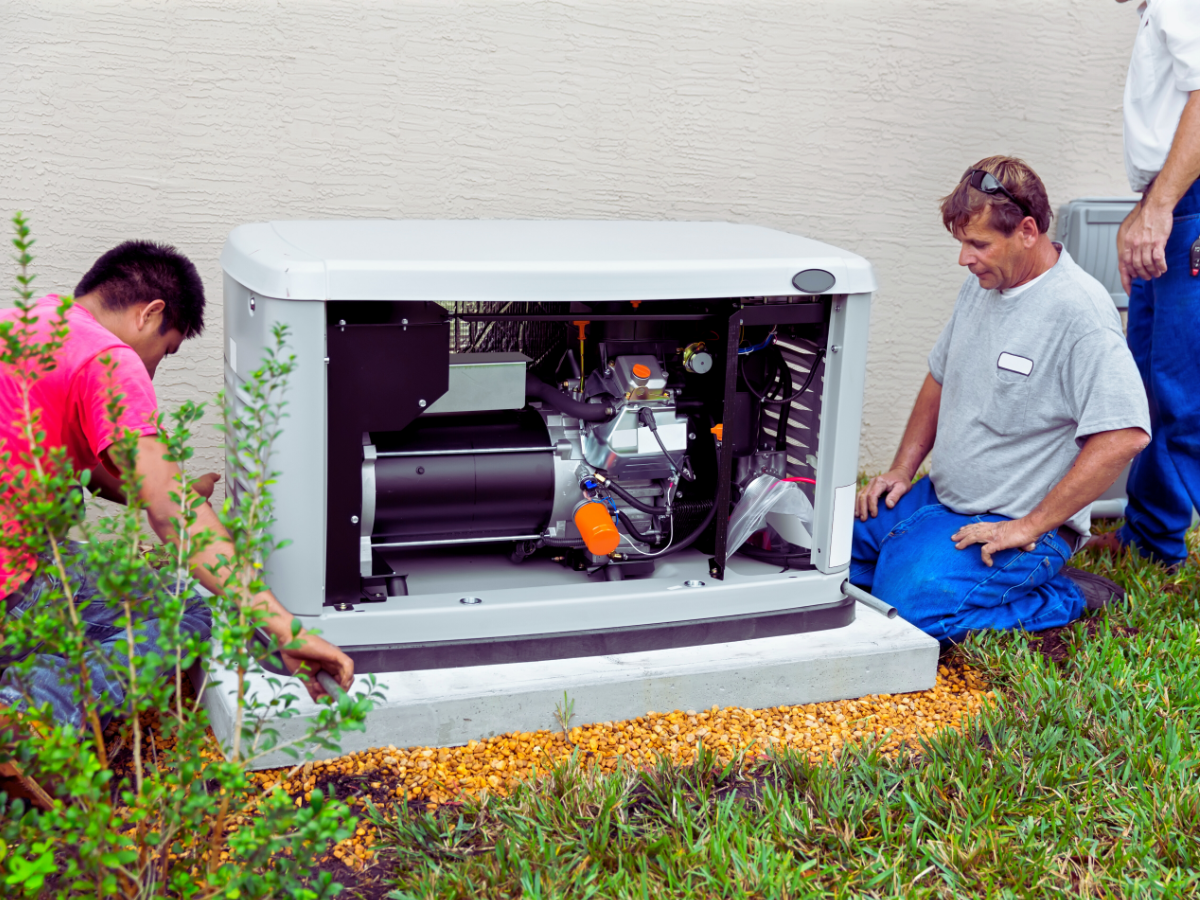
 A standby generator should be professionally installed for several reasons, including:
- Proper sizing affects runtime
- Fuel supply planning
- Load management
- Code compliance and safety
Install a Generator That’s Built to Run
The overall performance and runtime of your generator are strongly rooted in proper installation. In addition, your safety and the longevity of your generator are tied to proper installation.
Mister Sparky proudly serves Miami, FL and nearby areas. When you need Miami’s on-time electrician for generator installation, call us for service. Don’t put up with Malarky! Call Mister Sparky today.