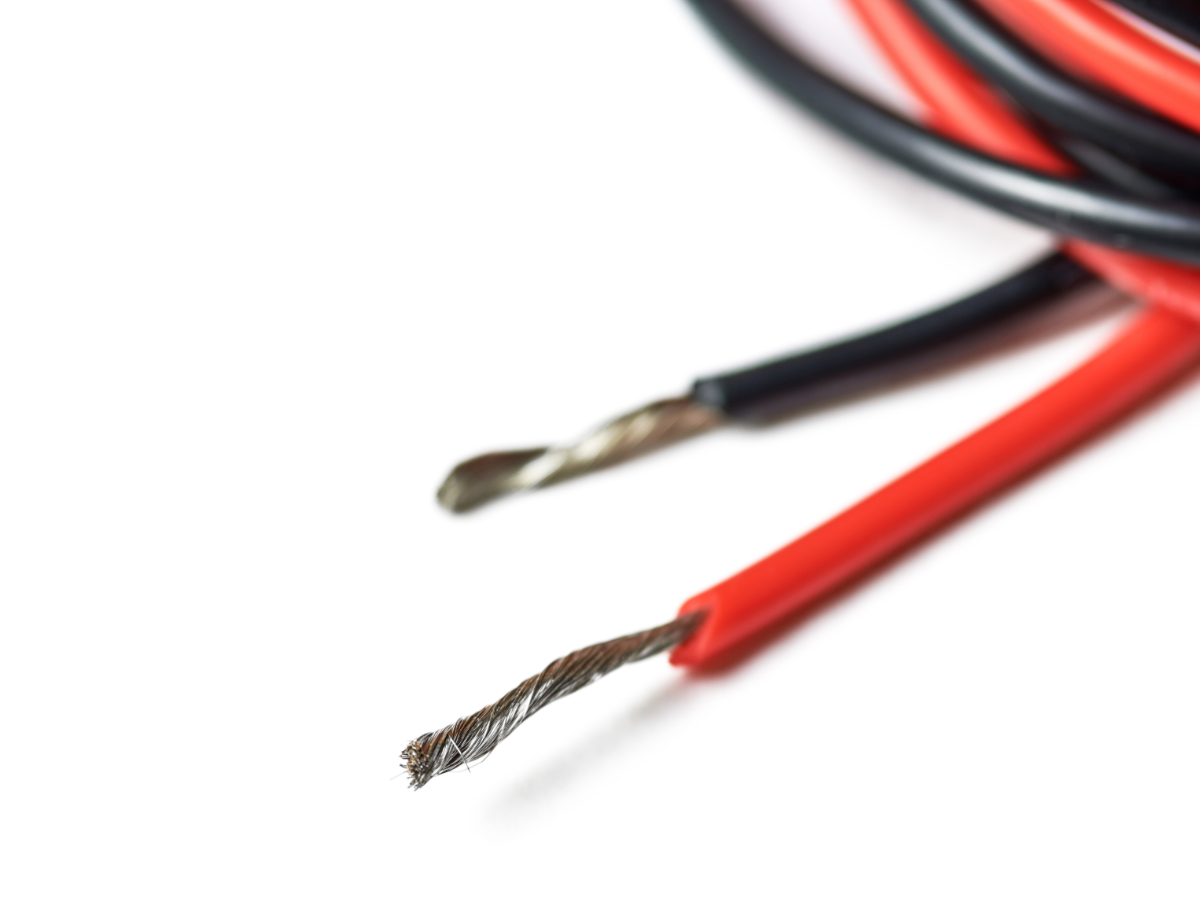
 By modern standards, aluminum wiring isn’t safe. It was installed in many homes in the 1960s and 1970s. Unfortunately, these wires tended to overheat and become loose, leading to major fire hazards. Because of this, aluminum wiring is no longer used when constructing today’s homes.
Quick Takeaways
- Aluminum wires are more likely to oxidize, overheat, or become loose.
- These wires are more likely to cause electrical fires.
- Flickering lights, burning odors, and warm outlets are major warning signs.
- You can tell if your home has aluminum wiring by looking at the wiring color and insulation markings.
- While repairs can improve the safety of aluminum wiring, the best option is to get a professional inspection.
Why Aluminum Wiring Is Not Considered Safe
Over time, heat expansion, contraction, and oxidation can impact aluminum wiring. This eventually causes failure at the terminals and overheated connection points. For these reasons, the Consumer Product Safety Commission (CPSC) says this type of wiring is a known fire and safety hazard.
How Aluminum Wiring Fails
There are a few underlying mechanisms that lead to aluminum wiring failing.
Thermal Expansion and Contraction
Aluminum is more prone to expansion than copper. As the wiring expands and contracts, it results in loose connections.
Oxidation
Oxidation leads to electrical resistance and added heat.
Metal Fatigue and Breakage
Because of how soft aluminum is, it is significantly more likely to become brittle under stress.
Overheating at Outlets and Switches
At locations where aluminum wiring and terminals meet, failures are more likely to take place.
Incompatibility With Standard Electrical Devices
Many switches and outlets aren’t actually rated for aluminum wiring, which results in a higher incidence of failure.
How to Tell If Your Home Has Aluminum Wiring
To see if your home has aluminum wiring, look for the following things.
- Markings on the sheathing that say AL, ALUMINUM, or ALUM
- Silver or gray conductors
- Anything built or installed in the 1960s and 1970s
Homeowners should never open a live panel to inspect for aluminum wiring. If you are unsure what type of wiring you have, reach out to our team for a full inspection.
Warning Signs Aluminum Wiring Is Causing Problems
 If you notice any of the following symptoms, your home’s wiring system may be unsafe.
Warm Outlets and Switches
Overheated outlets occur because oxidation leads to added electrical resistance, which increases the likelihood of fires.
Flickering or Dimming Lights
When the electrical connection isn’t stable, it can cause lights to dim or flicker.
Frequently Tripping Breakers
Breakers trip to protect your electrical systems from overloaded circuits, so frequent tripping indicates an underlying problem.
Buzzing or Crackling Sounds
These noises happen due to arcing, which is a major electrical hazard.
Burn Marks or Discolored Wall Plates
If there is prolonged overheating, it can lead to discoloration and burn marks.
Burning or Melting Odors
Similarly, the smell of something burning or melting indicates overheated outlet components or insulation.
Is Aluminum Wiring Ever Safe?
The real issue isn’t the wiring. Over time, connections loosen and become a fire hazard. To ensure safety, aluminum wiring must be installed, maintained, and repaired properly. Any unmodified wiring from the 1960s and 1970s is likely unsafe.
Approved Ways to Make Aluminum Wiring Safer
To ensure the safety of your family, you need to update your home’s wiring.
Full Home Rewiring: A Permanent Solution
In most cases, the safest course of action is to replace all of the aluminum with copper.
COPALUM Crimp Connectors
This technique involves cold welding a copper wire to an aluminum wire in order to prevent loosening and overheating. However, this repair can only be done by licensed electricians.
AlumiConn Connectors
These connectors can be used when COPALUM is unavailable.
Replacing Outlets and Switches With CO/ALR-Rated Devices
CO/ALR-rated devices are better at handling the expansion and contraction of aluminum wiring.
Replacing your home’s wiring completely removes the problem and ensures the safety of your loved ones. The other options on this list are primarily mitigation techniques. Mitigation is an effective alternative if replacement isn’t possible, but it doesn’t provide the highest level of safety and reliability.
Why You Should Not Fix Aluminum Wiring Yourself
All repairs and replacements should always be left to a professional electrician. If you try to handle these projects on your own, it can be dangerous.
- Loose terminals
- Overheating
- Incorrect connectors
- Fire hazards
Why Aluminum Wiring Requires an Electrical Safety Inspection
By reaching out to Mister Sparky, you can get a professional inspection of your home’s splice conditions, device compatibility, load balance, and terminal tightness. From panel heat signatures to wire integrity, our affordable inspections can ensure your home’s electrical systems are as safe as possible.
FAQs About Aluminum Wiring Safety
 Is aluminum wiring safe if it’s working fine right now?
Unfortunately, aluminum wiring can fail gradually. Even though it appears to be working, the wiring may already be failing.
Does aluminum wiring always need to be replaced?
Full replacement is the safest option, but repairs can mitigate the risks until a full replacement can be scheduled.
How much does it cost to fix aluminum wiring?
The cost can vary significantly. While replacing outlets and switches is relatively affordable, rewiring is more costly.
Can aluminum wiring cause a house fire?
Yes, it can. Loose or oxidized wires are known fire hazards.
How do electricians repair aluminum wiring safely?
By installing COPALUM crimp connectors, rewiring your home, and using AlumiConn connectors, electricians can make your home’s wiring safer.
Is aluminum wiring still used in new construction?
No, it is not. Today, copper is considered the standard choice for most wiring applications.
Need to Know if Your Aluminum Wiring Is Safe?
Call Miami’s on-time electrician to schedule your next inspection, same-day services, and code-compliant repairs in Miami.