Standby generators are rated differently from electric service panels, so the size of the generator you need probably won’t translate exactly to the size of your electric service.
The size of a standby generator will be based on the load it is expected to carry during an outage. The size of an electric panel is determined by the number of high-demand units it must carry.
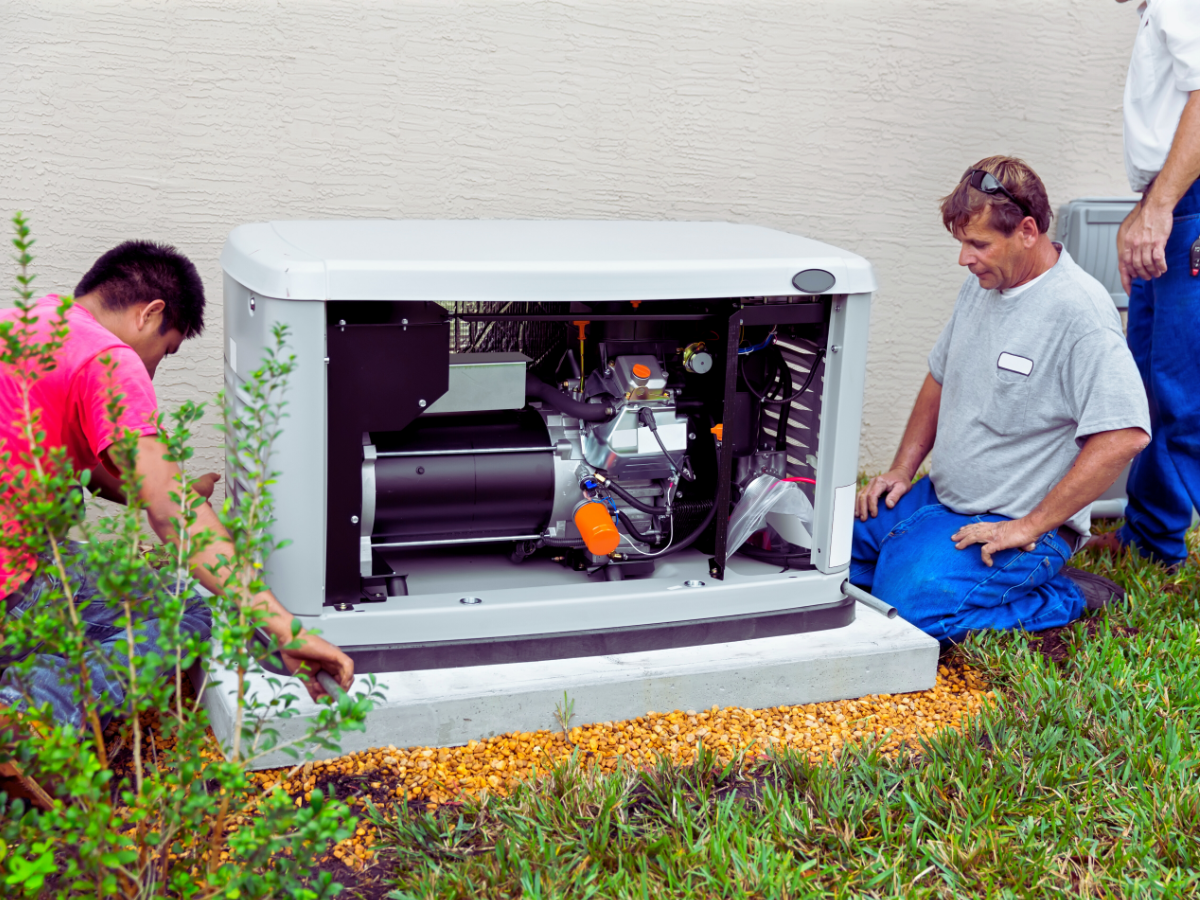
Whole-house generators are sized differently from portable generators, and factors such as code compliance, site conditions, and wire size will affect a generator’s reliability and safety. Sometimes, it’s best to have a professional install a portable generator.
The objective of this article is to explain how to properly size a generator, factors to consider, and when professional installation is the prudent course of action.
 Quick Takeaways
- Usually, a 200-amp service will function adequately with a 17-26 kW standby generator
- Generator size is based on maximum load rather than panel size
- Whole house coverage may also require the use of load management
- Homes with more square footage or heavy electric demands may require a minimum of 25 kW
- Proper sizing is essential for professional load calculation
Does a 200-Amp Service Require a 200-Amp Generator
No. Unless you plan to use every electrical appliance in your home simultaneously during a power outage, your generator only needs to support its maximum load, not every appliance.
If you would typically use the refrigerator, heater, lights, electric water heater, and cook stove during a power outage, for example, then add all those wattages together, and that would yield the size generator you would typically need. If you also typically use an electric car charger, six televisions, four computers, and more, for example, you’d need to add up all those wattages to determine the size generator you’d need.
What’s The Typical Standby Generator Size For A 200-Amp Home?
Although there’s no set size for a standby generator for a 200-amp home, there are common residential sizing ranges that apply to most homes in this range.
17-20 kW Standby Generator
This size generator is recommended for homes between 1500 and 2500 sf and can accommodate whole-house HVAC systems and the typical major appliances found in a home.
20-30 kW Standby Generator
This size standby generator can accommodate homes larger than 2500 sf or larger estates with multiple HVAC systems, pool systems, heat or well pumps, electric water heaters, and high electrical demands.
Larger Generator Requirements
If your generator demand requirements are near the top of the sizing range, you might consider a larger generator or multiple smaller ones. You should always add a 20 to 25 percent safety buffer to your load calculations to account for startup surges or in case you decide to expand.
Your generator size should also consider your fuel source, since propane typically requires a larger unit. For typical whole-house requirements, a 15 to 25 kW unit is usually sufficient.
Properly Sizing a Standby Generator for 200 Amp Service
If you have 200-amp service, that doesn’t necessarily mean that you need a 200-amp generator. A 200-amp panel indicates the maximum capacity of the circuit breakers in the panel. Most homes don’t use the panel’s maximum capacity simultaneously.
Online generator sizing calculators are valuable for determining the size of a standby generator that best suits your needs.
You also need to account for the difference between running watts and starting watts. When an electrical appliance starts up, the load temporarily increases for a few seconds so that the motor can overcome inertia. The term running watts refers to the power needed to keep an appliance running after it has started.
 The rule of thumb often no longer applies due to:
- Environment factors
- Increased need for growth and redundancy
- Technological advancements like IGBT rectifiers
- Harmonic analysis
- Non-linear loads
Non-linear loads include computers, battery chargers, UPS systems, and VFDs, which are abundant in most modern homes.
Which Units and Systems Most Affect Generator Size Needs?
Some appliances draw more power, both at startup and when running, so your standby generator’s needs will increase.
Examples of these units include:
- Electric appliances such as dryers and stoves
- EV chargers
- HVAC systems
- Water heaters
- Well pumps
Using Load Management to Reduce Generator Size
Load management enables you to obtain the most efficient generator for your needs. If a unit is too small or too large, it may not function as efficiently, and if it’s too small, it may overload and fail when you need it the most.
First, determine the essential appliances that you need to keep running during an outage and add their startup numbers.
Next, determine the type of generator you want: inverter, standby, or portable. Inverter generators are more expensive, but they’re more efficient and run more quietly.
Next, determine your price range. All these numbers should provide you with the best size generator for your needs. Don’t buy a generator that’s substantially larger than your needs unless you plan on increasing your needs soon. A generator that’s too large will be less efficient, and one that’s too small may overload, so adapt your generator size to your load needs.
Whole-House vs Partial-Home Generator Coverage
Although it may seem easier to buy a generator that will cover the entire house, there are drawbacks to doing so, such as:
- A whole-house system is considerably more expensive
- A larger generator uses more fuel
- A whole-house system usually requires professional installation
- A whole-house unit will usually be covered under your homeowner’s insurance policy
- Whole-home coverage is the most convenient, but partial coverage is less expensive, although it should cover essential systems.
Can a Standby Generator Power a Full 200 Amp Panel?
Theoretically, yes, a 200-amp generator can adequately supply the needs of a 200-amp panel. However, it’s not typically necessary to do so. Most homes don’t use their electrical panel to its full capacity simultaneously.
If your generator is professionally and adequately sized for your needs, you should achieve the most cost-effective, fuel-efficient power. You should always consult a licensed electrician to ensure you’ve performed proper load calculations and your system is the best for your needs.
What Are Common Generator-Sizing Mistakes?
 The following are some of the most common sizing errors made when choosing a generator:
- Failure to allow for future expansion or upgrades
- Failure to obtain permits
- Improper placement
- Ignoring surge load capacity
- Oversizing the unit just in case you need it
- Failure to obtain a professional evaluation
A generator that’s too large or one that’s too small is equally unreliable and inefficient. Lack of planning for future needs can be equally inefficient, and failure to get the proper permits can be costly. Improper placement of the generator can be hazardous or deadly.
FAQ
What size standby generator is best for a 200-amp service?
There’s no set answer to this question except “It depends.” No two households have exactly the same power needs, so you need to perform a load calculation to determine the size generator you need.
Is a 22 kW generator enough for a 200 amp house?
Again, it depends. Your power needs are unique to you and depend on the types and numbers of appliances you typically run, as well as several other factors. You need a load calculation to determine if a 22 kW generator will work for you.
Can a 200-amp panel run on a 20 kW generator?
It depends on the number of appliances you need to run simultaneously, and their power needs. You need a load calculation to make this determination.
How is generator size calculated for a home?
To size a generator for your home, you’ll need the number of appliances you run simultaneously, their running power requirements, and an allowance for load increase. You may also have other determining factors, and you should get a professional load calculation.
Should I oversize my standby generator?
No, oversizing your generator will only make it run less efficiently. Get a load calculation to determine the best size generator for your needs.
Install The Correct Standby Generator For Your 200 Amp Home
 If you need a standby generator installed in your Miami, FL home or in the surrounding areas, don’t put up with any malarky, call Mr. Sparky! We’re one of the premier electricians in the area, and we can ensure your 200-amp generator is installed professionally, efficiently, and safely.
We’re licensed and bonded, so you can be sure we use professionalism rather than guesswork when we’re installing your generator. If you’re in the planning stages, call us for a generator installation consultation, and we’ll ensure you get the best installation possible.